 RCIC News.
Federal Court strips citizenship after 40 years over immigration fraud
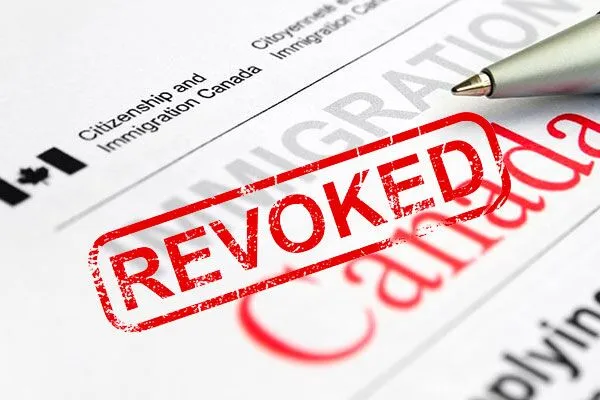
On This Page You Will Find:
- How decades-old omissions can destroy your Canadian citizenship today
- The shocking legal precedent that puts thousands of immigrants at risk
- Essential steps to protect your status from government investigations
- Warning signs that could trigger citizenship revocation proceedings
- Expert strategies to ensure bulletproof immigration compliance
Summary:
Maria stared at the official letter in disbelief. After 40 years as a Canadian citizen, raising her family in Toronto, the government was stripping away everything she'd built. Her crime? An omission on her original immigration forms decades ago that authorities had just uncovered. This isn't fiction—it's the reality facing Jorge Vinicio Sosa Orantes and potentially thousands of other Canadians who thought their past was buried forever. The Federal Court's recent ruling sends a chilling message: there's no statute of limitations on immigration fraud, and even the smallest misrepresentation can cost you everything. If you've ever worried about inconsistencies in your immigration history, this landmark decision changes everything you thought you knew about citizenship security.
🔑 Key Takeaways:
- Canadian citizenship can be revoked decades after it's granted if fraud is discovered
- Even minor omissions or inconsistencies can trigger government investigations
- The Federal Court confirmed there's no time limit on pursuing citizenship revocation
- Professional immigration consulting significantly reduces compliance risks
- Full disclosure during all immigration processes is legally mandatory and permanently binding
The comfortable assumption that citizenship provides permanent security has been shattered by a Federal Court ruling that should terrify anyone who's ever left a detail off their immigration paperwork. In a decision that reverberates through Canada's immigrant communities, Justice Roger Lafrenière upheld the government's revocation of Jorge Vinicio Sosa Orantes' citizenship—40 years after it was granted.
The Case That Changes Everything
You might think that after four decades of living, working, and contributing to Canadian society, your citizenship would be unshakeable. You'd be wrong. The court found that Orantes deliberately concealed his involvement in a 1982 massacre during Guatemala's civil conflict when he applied for permanent residence and later citizenship.
The government didn't discover this omission until 2017—35 years after his initial application. Yet the court ruled that citizenship obtained through any form of misrepresentation, no matter how old, remains vulnerable to revocation. The message is crystal clear: there's no expiration date on immigration fraud consequences.
What makes this case particularly alarming is how it demonstrates the government's long memory and expanding investigative capabilities. With digital records, international cooperation, and sophisticated background checking systems, information that seemed safely buried decades ago can surface at any time.
Why This Affects You (Even If You Think It Doesn't)
If you're thinking "I never committed war crimes, so this doesn't apply to me," you're missing the bigger picture. This ruling establishes that ANY misrepresentation—intentional or accidental—can trigger citizenship revocation proceedings, regardless of when it occurred.
Consider these scenarios that could put your status at risk:
Employment History Inconsistencies: Did you list slightly different job titles or dates across various applications? Even minor discrepancies can be flagged as misrepresentation.
Travel Documentation: Failed to mention a brief trip to your home country? Authorities might interpret this as concealing ongoing ties that could affect your residency requirements.
Family Information: Changes in marital status, children's information, or family member details that weren't properly updated across all documents.
Financial Disclosure: Income reporting, property ownership, or business interests that weren't consistently documented throughout your immigration journey.
The terrifying reality is that most immigrants have some form of inconsistency in their documentation, often due to honest mistakes, language barriers, or misunderstanding complex requirements.
The Government's Expanding Investigation Powers
What's particularly concerning about the Orantes case is how it reveals the government's sophisticated approach to uncovering historical information. Immigration authorities didn't stumble upon this case—they actively investigated and built a comprehensive legal argument spanning decades of documentation.
This suggests a systematic approach to reviewing citizenship grants, potentially targeting specific countries, time periods, or types of applications. The resources devoted to this single case indicate that citizenship revocation has become a priority enforcement area.
The legal precedent now allows authorities to:
- Review citizenship applications from any time period
- Cross-reference historical records with current databases
- Pursue revocation based on omissions that seemed minor at the time
- Declare individuals inadmissible to Canada, effectively nullifying all immigration benefits
Protecting Yourself: The Professional Advantage
The Orantes decision underscores why professional immigration consulting isn't just helpful—it's essential protection against life-destroying legal consequences. Regulated Canadian Immigration Consultants (RCICs) provide crucial safeguards that self-represented applicants often miss.
Comprehensive Document Review: Professional consultants systematically review your entire history, identifying potential inconsistencies before they become legal vulnerabilities. They understand how seemingly unrelated information across different applications can create compliance risks.
Legal Compliance Expertise: Immigration law changes constantly, and requirements that seemed optional years ago might now be mandatory. RCICs stay current with evolving legal standards and ensure your documentation meets both historical and current requirements.
Strategic Disclosure Guidance: Knowing what to disclose, how to present complex information, and when to provide additional context can mean the difference between approval and future revocation proceedings.
Ongoing Compliance Support: Professional relationships don't end with application approval. Experienced consultants help clients maintain compliance throughout their immigration journey, responding to government requests and updating documentation as circumstances change.
The Long-Term Compliance Reality
This court decision fundamentally changes how immigrants must think about their ongoing relationship with Canadian authorities. Citizenship is no longer the finish line—it's the beginning of permanent legal accountability.
Documentation Preservation: Every immigration-related document becomes permanently important. Application forms, supporting letters, travel records, and correspondence with authorities should be preserved indefinitely.
Consistency Maintenance: Future interactions with government agencies must remain consistent with historical submissions. This includes tax filings, passport applications, security clearances, and any official documentation.
Proactive Legal Review: Regular consultation with immigration professionals can identify emerging compliance issues before they become enforcement targets.
Response Preparedness: Understanding how to respond to government inquiries, document requests, or investigation notices can prevent minor issues from escalating to revocation proceedings.
What This Means for Your Family's Future
The implications extend far beyond individual citizenship status. Revocation proceedings can affect:
Spouse and Children: Family members whose status depends on your citizenship may face their own immigration consequences.
Property and Assets: Inadmissibility can complicate property ownership, business operations, and financial planning.
Employment Authorization: Professional licenses, security clearances, and employment eligibility can be immediately affected.
Travel and Mobility: Passport cancellation and travel restrictions can strand individuals outside Canada or prevent international movement.
The emotional and financial devastation of citizenship revocation, particularly after decades of Canadian life, represents one of the most severe consequences in immigration law.
Moving Forward: Your Action Plan
The Orantes decision serves as a wake-up call for anyone who values their Canadian status. Here's what you need to do immediately:
Conduct a Documentation Audit: Review all your immigration paperwork for inconsistencies, omissions, or information that might be interpreted as misrepresentation.
Consult Professional Experts: Work with experienced RCICs who understand both historical immigration requirements and current enforcement priorities.
Strengthen Your Compliance: Ensure all future government interactions maintain consistency with your immigration history.
Prepare for Scrutiny: Understand that your citizenship may face review at any time, and prepare accordingly.
The court's message is unmistakable: immigration fraud has no expiration date, and citizenship provides no immunity from consequences. In an era of sophisticated government investigation capabilities and aggressive enforcement priorities, professional guidance isn't just advisable—it's essential protection for everything you've built in Canada.
Your citizenship is only as secure as the documentation that supports it. Make sure yours can withstand the scrutiny that may come at any time, even decades from now.